
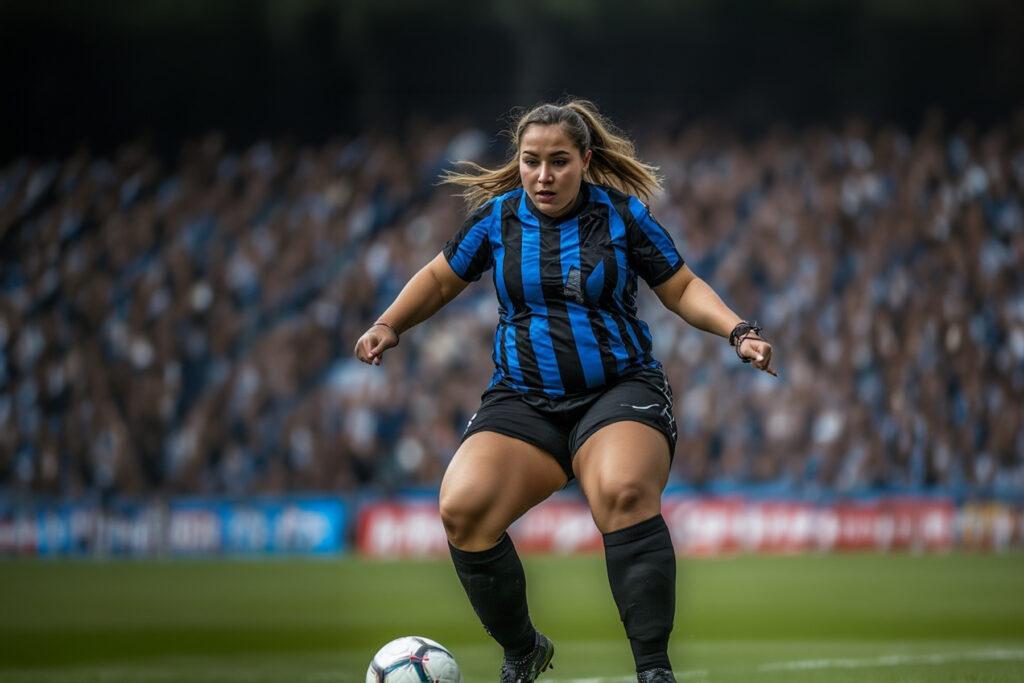
Name:[restricted]
Age: 20
Sport: Women’s Football
Level: Professional
Country: Hungary
Background
The athlete was a professional women’s footballer under contract with a Hungarian club competing in a national league. She relied on the club for her income, housing stability, and career progression. The club held full registration rights, limiting her ability to move freely between teams.
At the time of the events, the club had no transparent internal safeguarding or mental health support system available to players.
Pattern of Conduct
Over the course of the season, the athlete was repeatedly subjected to body-shaming comments by her head coach. She was called “fat” and told her body was “not acceptable for football,” both privately and in front of teammates.
These remarks were not linked to medical evaluations, performance data, or professional conditioning plans. They were demeaning, personal, and humiliating in nature.
The athlete reported that the comments caused:
- Increased anxiety and self-doubt
- Disordered eating behaviors
- Loss of confidence and enjoyment of the sport
- Fear of further humiliation during training
Request for Internal Investigation
Concerned about the ongoing psychological harm, the athlete formally requested an internal club investigation into the coach’s behavior.
- The club refused the request.
- No interviews were conducted.
- No documentation was taken.
- No safeguarding officer was assigned.
The athlete was informed informally that the issue was a “coaching style matter” and that raising concerns could negatively affect her standing within the team.
Denial of Mental Health Support
As her mental health deteriorated, the athlete requested access to mental health support, including counseling or referral to a qualified professional.
- The club denied the request, stating that:
- Mental health support was not part of club obligations
- Performance issues should be resolved “internally”
- No alternative support was offered.
Request for Transfer
With her wellbeing compromised and no internal remedies available, the athlete requested a transfer to another club.
Despite interest from other teams, the club refused to release her registration, effectively preventing her from continuing her professional career elsewhere.
The athlete described feeling trapped, punished for speaking up, and stripped of autonomy over her career.
Legal and Regulatory Relevance (Hungary)
This case raises serious concerns under Hungarian and international standards:
- Psychological Harassment (Workplace)
- Repeated body-shaming and humiliation by a superior may constitute workplace harassment under Hungarian labor principles, particularly when it creates a hostile or degrading environment.
- Employer Duty of Care
Clubs have a responsibility to protect the physical and psychological wellbeing of contracted athletes. - Denial of Mental Health Support
Ignoring documented mental health concerns contradicts modern safeguarding standards recognized by MLSZ, UEFA, and FIFA. - Restriction of Professional Mobility
Blocking transfers after safeguarding complaints may constitute retaliatory conduct.
Federation and Institutional Responsibility Within Hungarian football governance:
- Clubs are expected to uphold MLSZ ethical standards
- Coaches are responsible for respectful, non-abusive conduct
- Safeguarding frameworks require fair handling of complaints
Retaliation against athletes who raise concerns undermines integrity - Failure to investigate, combined with denial of support and mobility, represents a systemic safeguarding failure.
Impact on the Athlete
As a result of these actions, the athlete experienced:
- Significant psychological distress
- Loss of trust in leadership
- Decline in performance
- Temporary withdrawal from professional football
She described the experience as mentally more damaging than any physical injury she had sustained in her career.
What Should Have Happened (Best Practice – Hungary)
A safeguarding-appropriate response would have included:
- Immediate acknowledgment of the athlete’s complaint
- Neutral internal or external investigation
- Clear boundaries around body-related language
- Access to independent mental health support
- Protection against retaliation
- Fair consideration of transfer requests when wellbeing is at risk
- No coach’s authority includes the right to humiliate, shame, or psychologically harm an athlete.
Why This Case Matters
Psychological abuse is often minimized in sport — especially in women’s football. Yet its impact can be profound, long-lasting, and career-ending.
When clubs deny investigation, deny support, and deny mobility, athletes are left with silence as their only option.
Silent Whistle exists to ensure that silence is no longer the price of survival in sport.